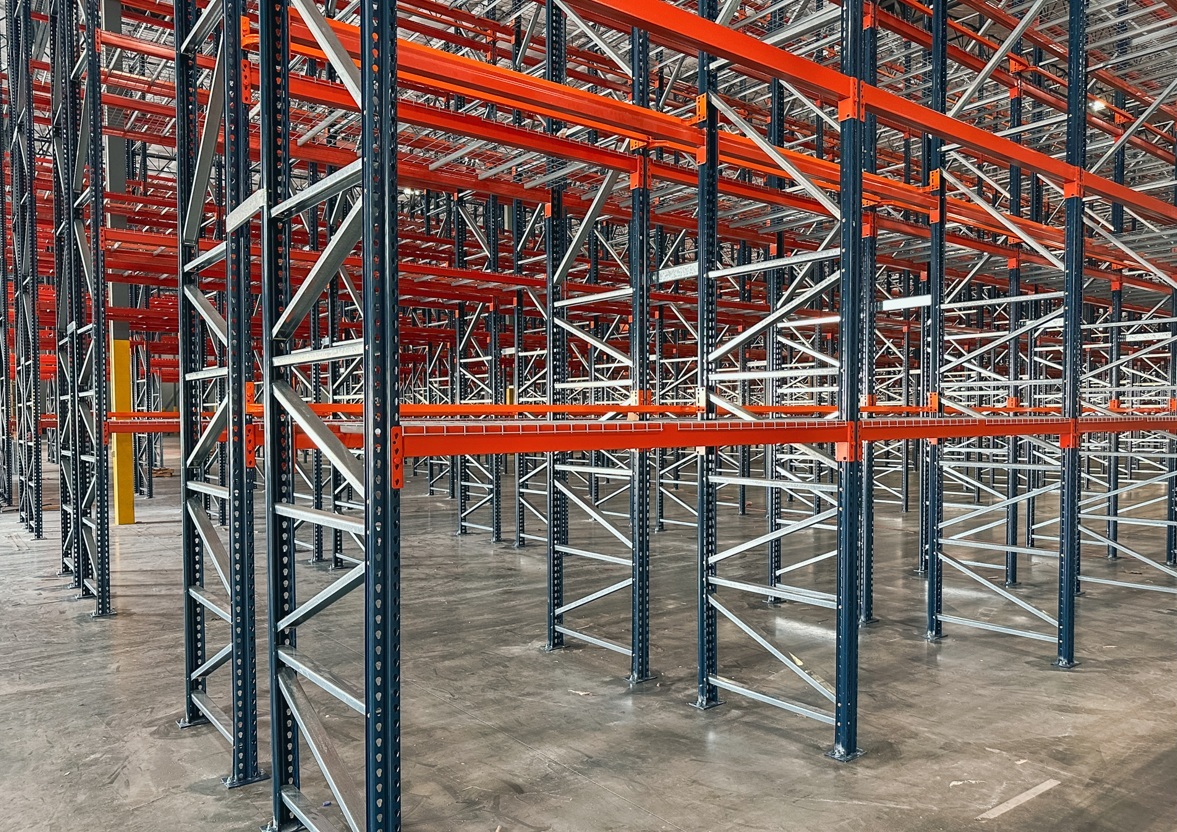
Pallet Rack
Every pallet reachable, every time. The baseline we size everything else against.
View details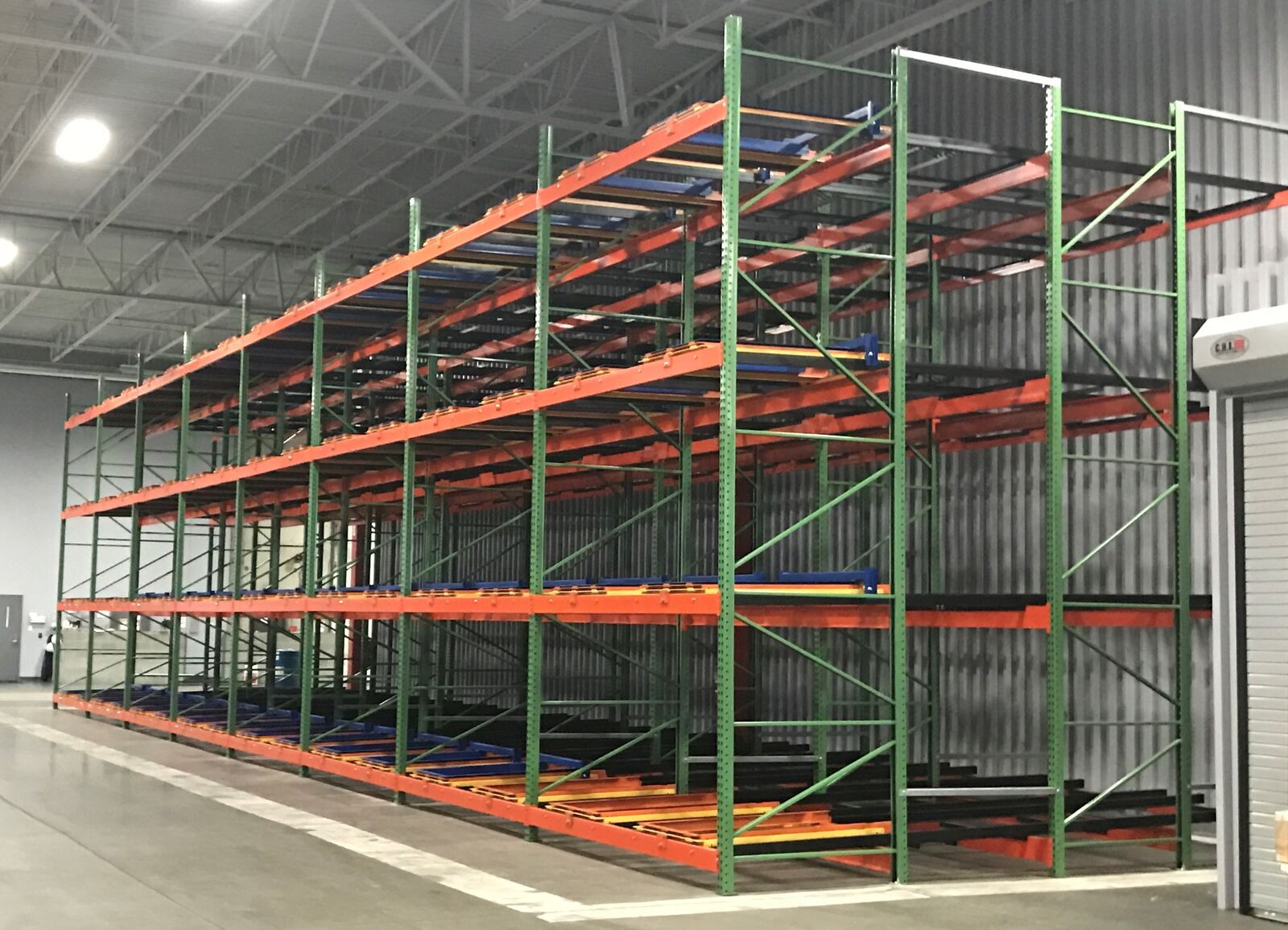
A new Edison tenant at Raritan Center can receive multiple pallets of each electronics or consumer-goods SKU before its reserve storage plan has been finalized.
Pushback Rack planning starts with that Edison constraint, not a drawing borrowed from another building. Decide how many pallets belong in each lane before ordering, with selective access retained for the wider SKU mix. We compare capacity, access, and the way your inventory moves before recommending a configuration. Send your building dimensions and load details for a free warehouse consultation. You receive a layout and itemized pricing before deciding what to order or move.
Decide how many pallets belong in each lane before ordering, with selective access retained for the wider SKU mix. Around Raritan Center, one of the largest industrial parks on the East Coast, the practical question is how storage will work alongside receiving, dispatch, and the space reserved for people and production. Edison operations dealing with third-party logistics need a plan that reflects their actual product mix rather than a generic rack count. We ask about the peak week as well as normal inventory so the drawing does not depend on an unusually quiet day.
For pushback rack, the useful comparison is what changes at the working face: lanes two to six pallets deep served from a single aisle. A building in Raritan Center may have a different column grid, usable height, or loading approach from the next address. Those measurements belong in the scope before materials are priced.
Newark Pallet Rack is a division of Warehouse Equipment & Supplies Co.. You have a single contact for layout revisions, the itemized scope, delivery planning, and installation coordination with installation partners. We explain the tradeoffs, identify information still needed, and keep the Edison drawing available for later expansion or replacement components. The aim is a storage plan your team can use, with clear responsibilities rather than assumptions.
Nearby areas we work in regularly include Raritan Center, one of the largest industrial parks on the East Coast, Raritan Center, Northfield, Mill Road industrial, Clara Barton.
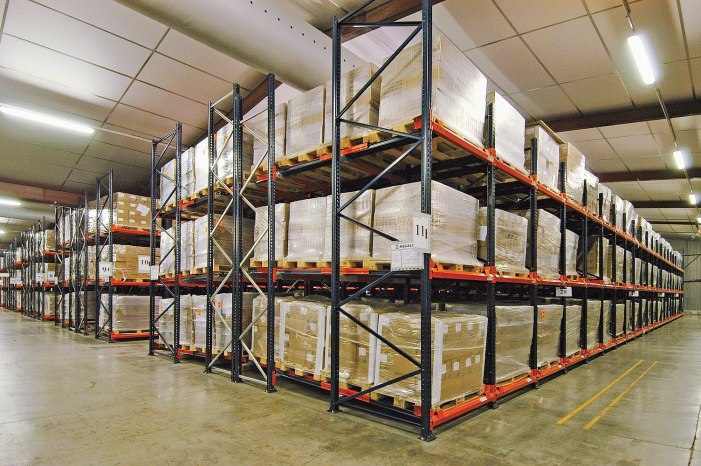
Two to six pallets deep from one aisle, without giving up much reach.
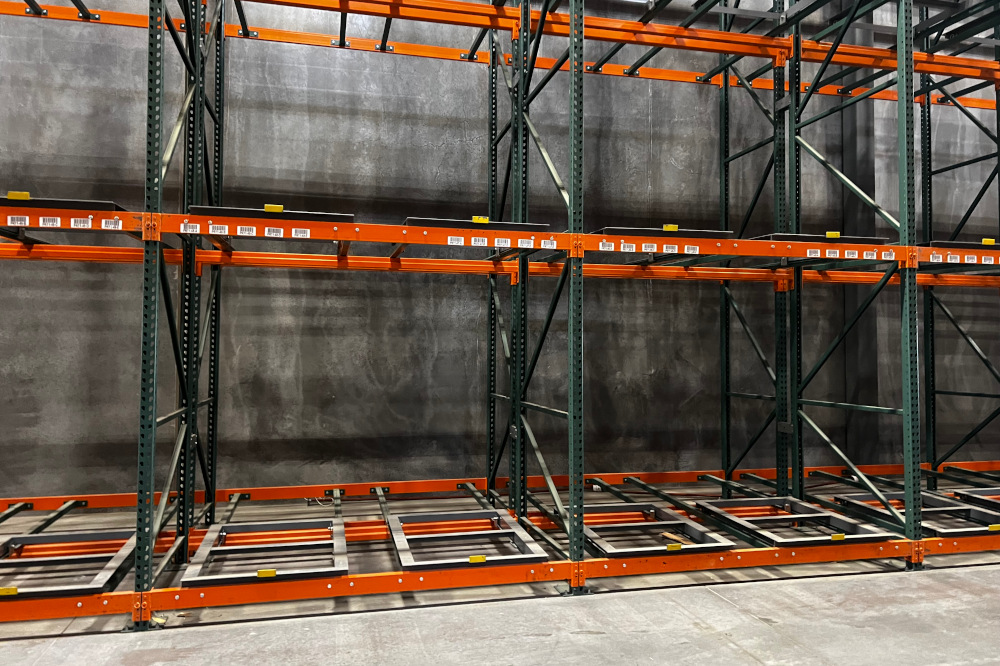
The driver sets the first pallet on the front cart. Each pallet added after that pushes the cart train deeper into the lane, so one aisle handles the whole depth.
Steel carts with nylon or steel wheels ride inclined rails, each nesting under the one ahead of it - that nesting is what makes multi-deep storage possible from a single face.
Pull the front pallet and the next cart rolls forward on the incline to the pick face. No driving into the lane, no repositioning pallets by hand.
Each lane runs LIFO. That suits fast-turning product and any operation managing rotation by lane rather than by individual pallet date.
Pushback layouts are built around the pallet, not the building. We start by confirming pallet type, footprint, overhang, and load weight, because cart spacing and rail incline follow that profile rather than a generic 48x40 assumption.
Next we set lane depth. Deeper lanes store more, but only pay off if you actually carry that many pallets per SKU - so we compare a two-deep and a four-deep version of the same footprint and show what each does to total positions and to how many pick faces you're left with.
The quote covers frames, beams, rails, carts, and guarding, itemized so you can see exactly what the added density costs per position - the number that matters more than the sticker price. Rails and carts are set and tested at installation, and cart travel is verified in every lane before handover.
You end up with a CAD drawing, capacity ratings, a system drivers pick up in a shift, and a contact for replacement carts and wheels down the road.
Decide how many pallets belong in each lane before ordering, with selective access retained for the wider SKU mix. For the Edison site near Raritan Center, one of the largest industrial parks on the East Coast, we confirm receiving access and where components can be staged before agreeing on delivery windows. The finished drawing identifies the storage zones, access requirements, and capacities for the proposed arrangement. Product-specific components and testing are included in the scope rather than assumed to be interchangeable with ordinary pallet rack. You receive a written quote and a schedule based on the approved scope and confirmed availability, not an unqualified completion promise.
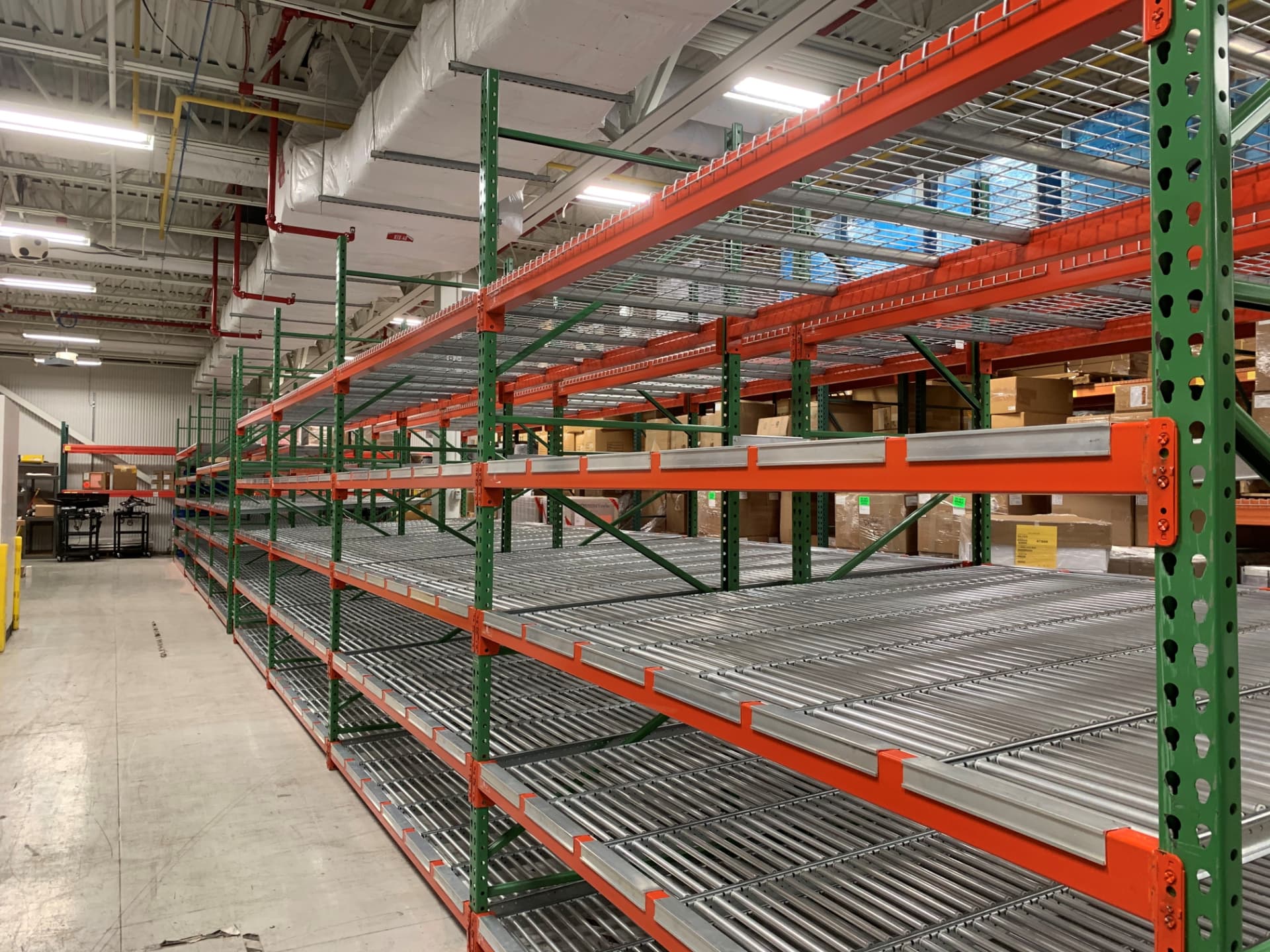
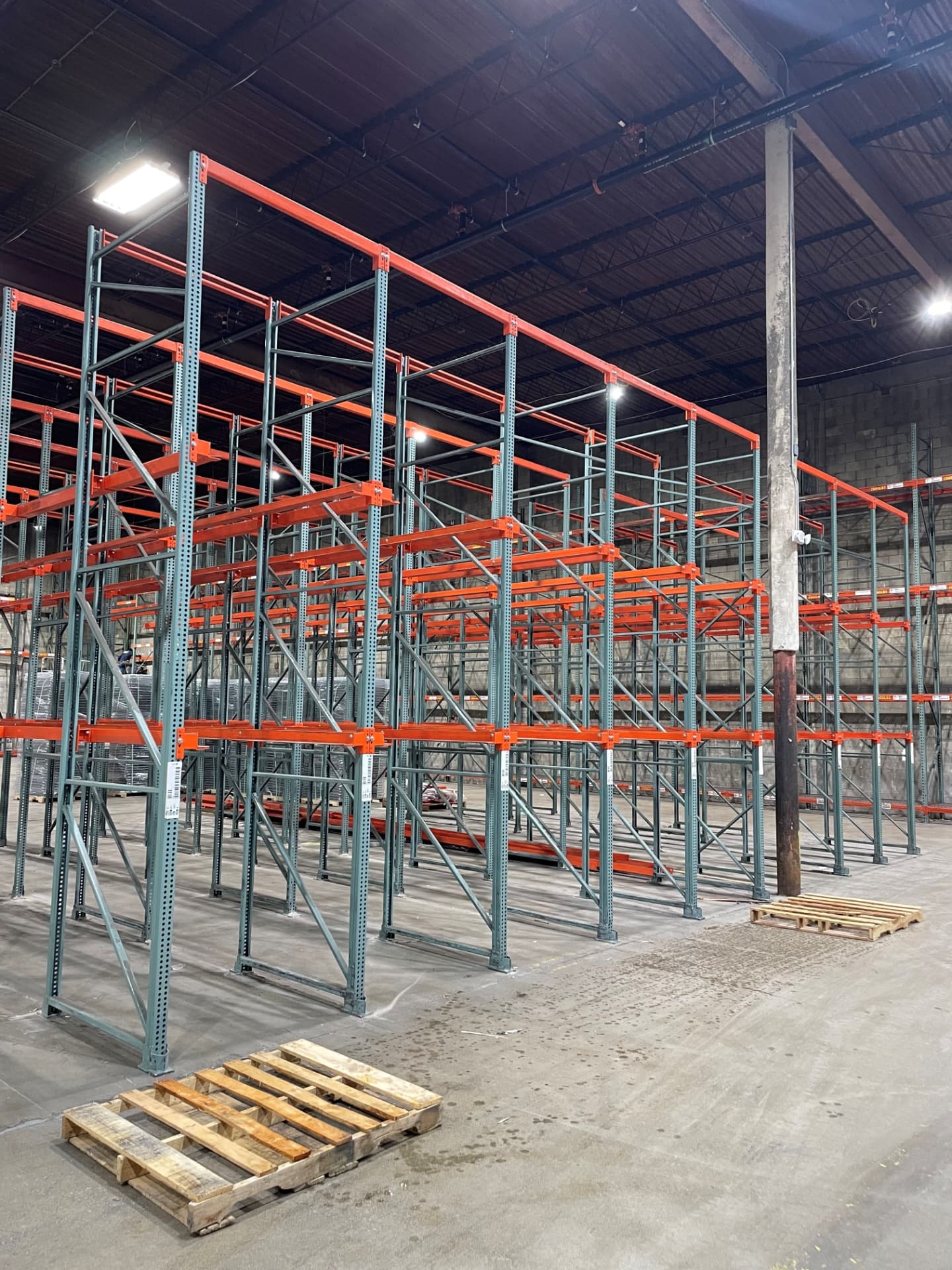
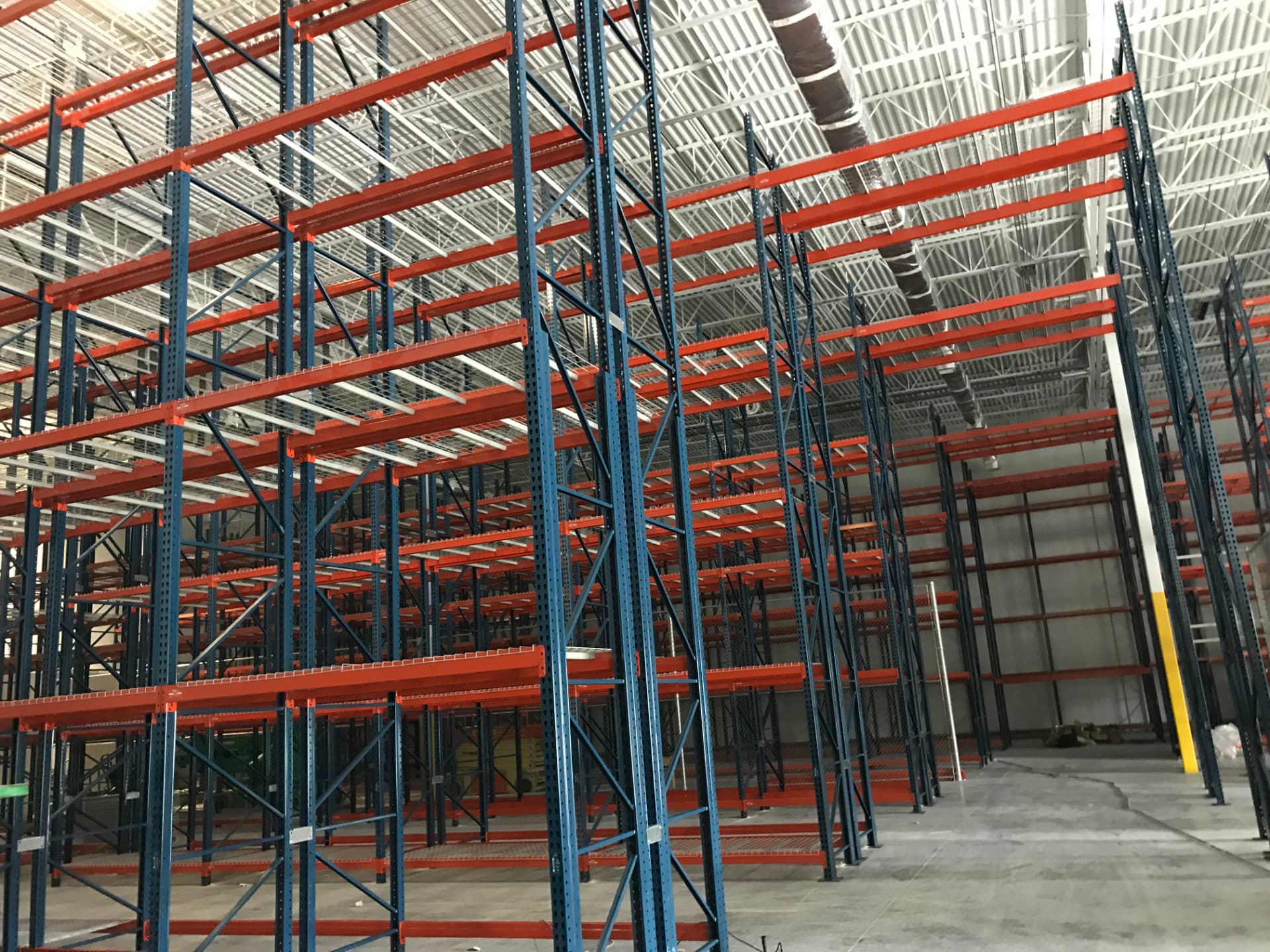
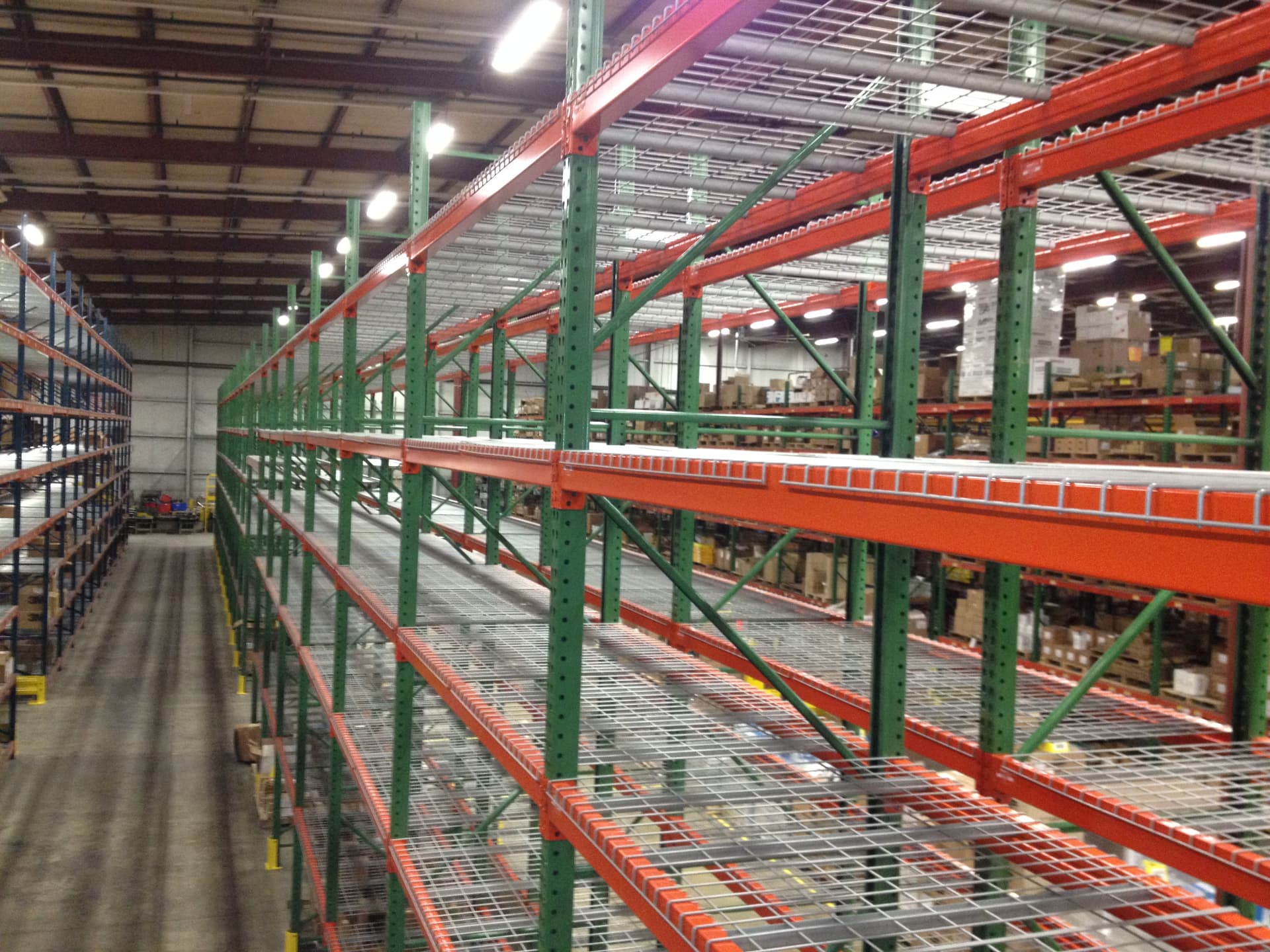
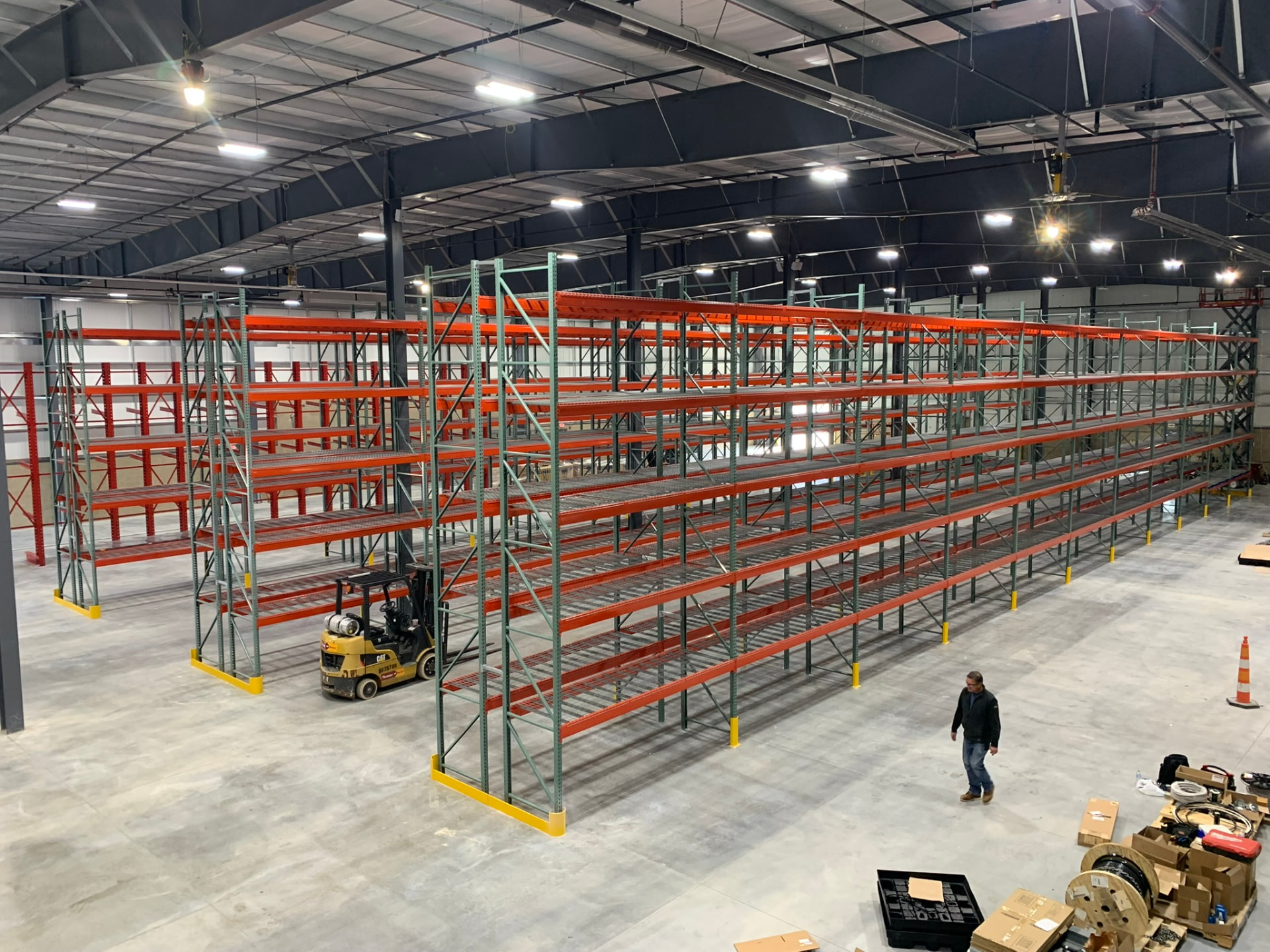
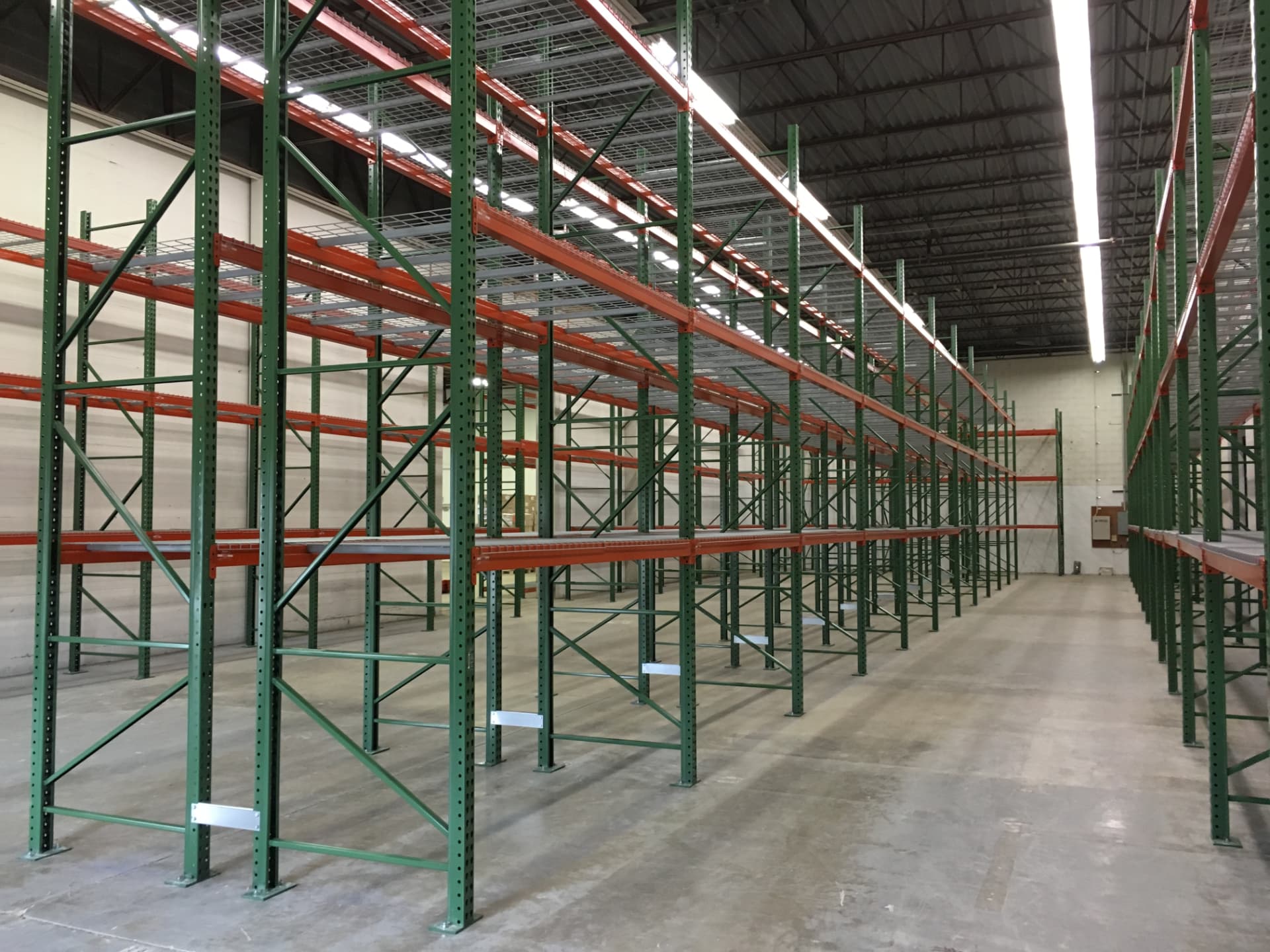
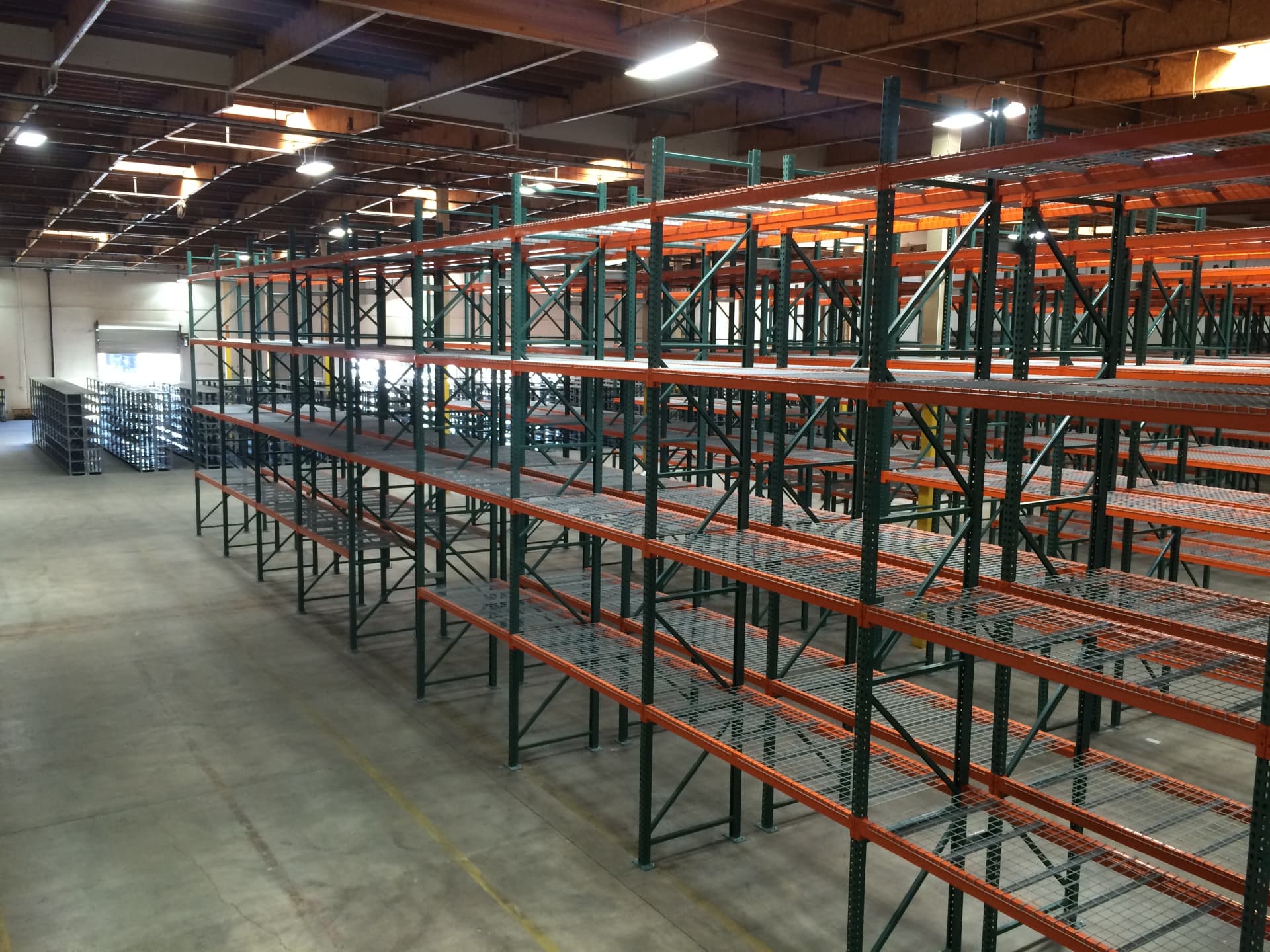
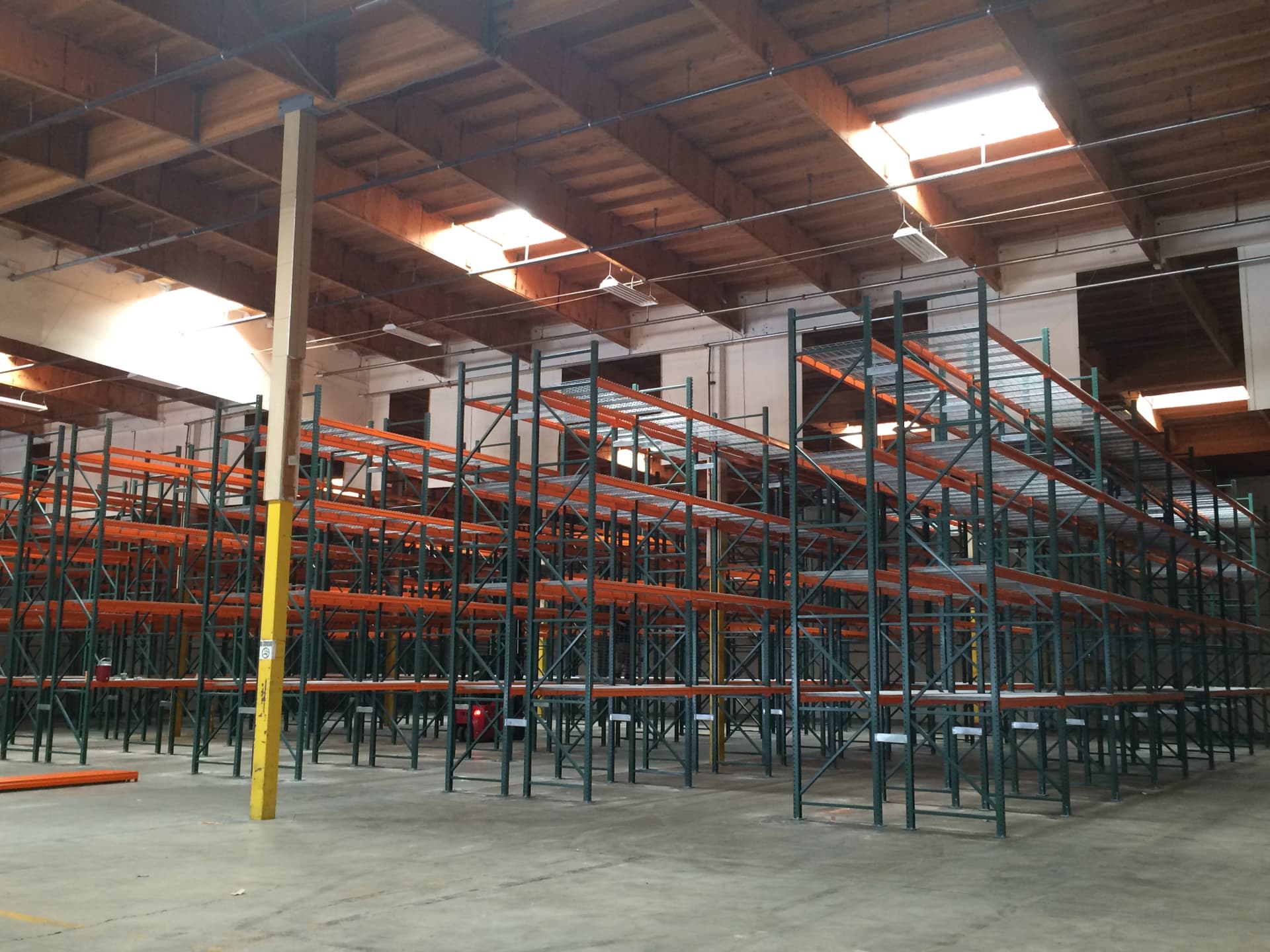
Racking projects completed for warehouses across Greater Newark and North Jersey.
Send the basics and we will follow up with a layout and pricing. Prefer to talk it through? Call (973) 318-1590.
146-B Ferry St.
Unit #1214
Newark, NJ 07105
(973) 318-1590Monday - Friday: 8:00 AM - 6:00 PM
Every pallet reachable, every time. The baseline we size everything else against.
View details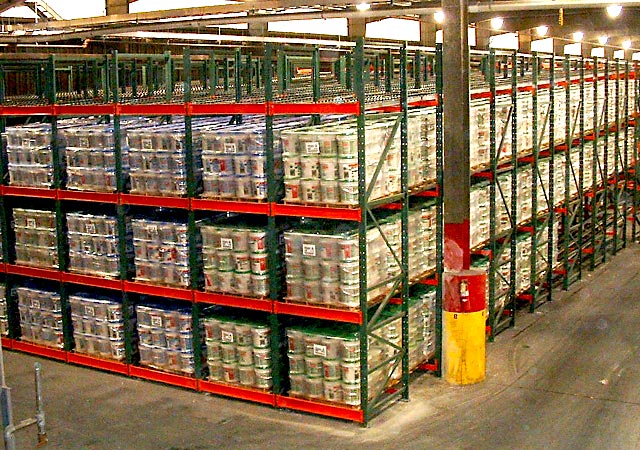
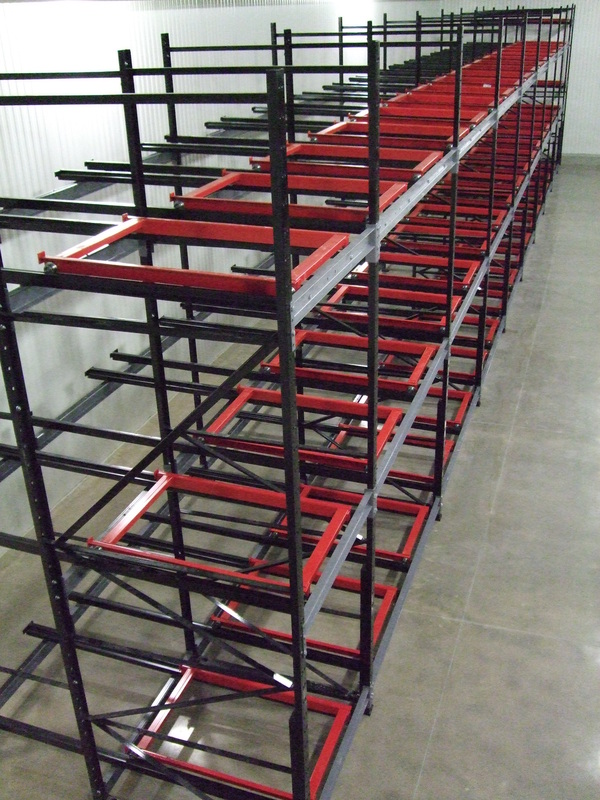
Load one side, pick the other, and let gravity enforce first in, first out.
View details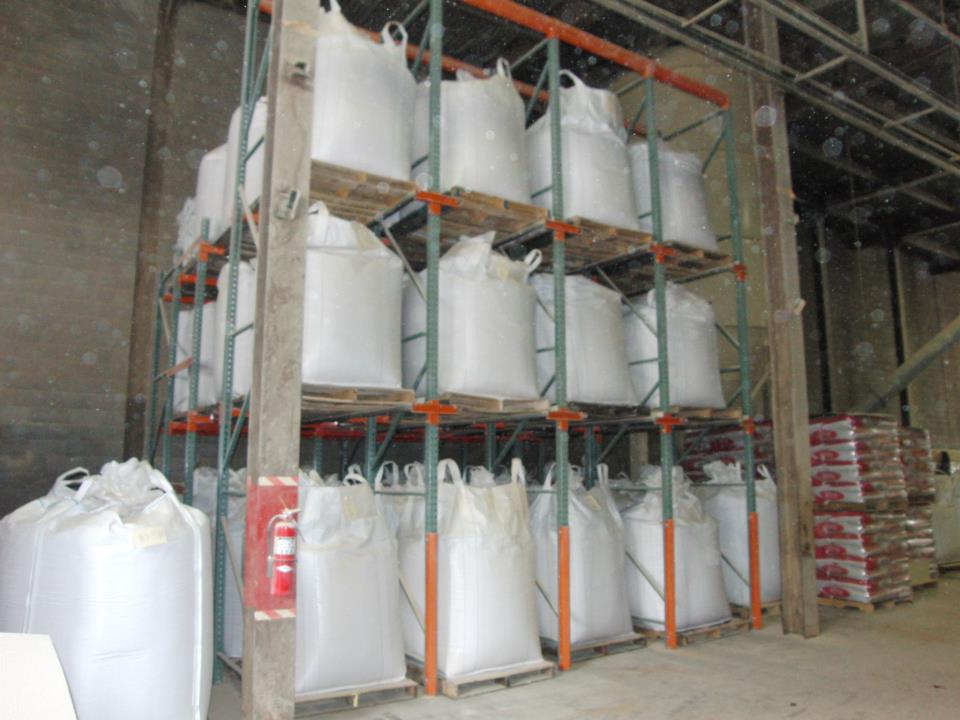
Deep pallet lanes replace internal aisles for bulk storage of a small number of SKUs.
View details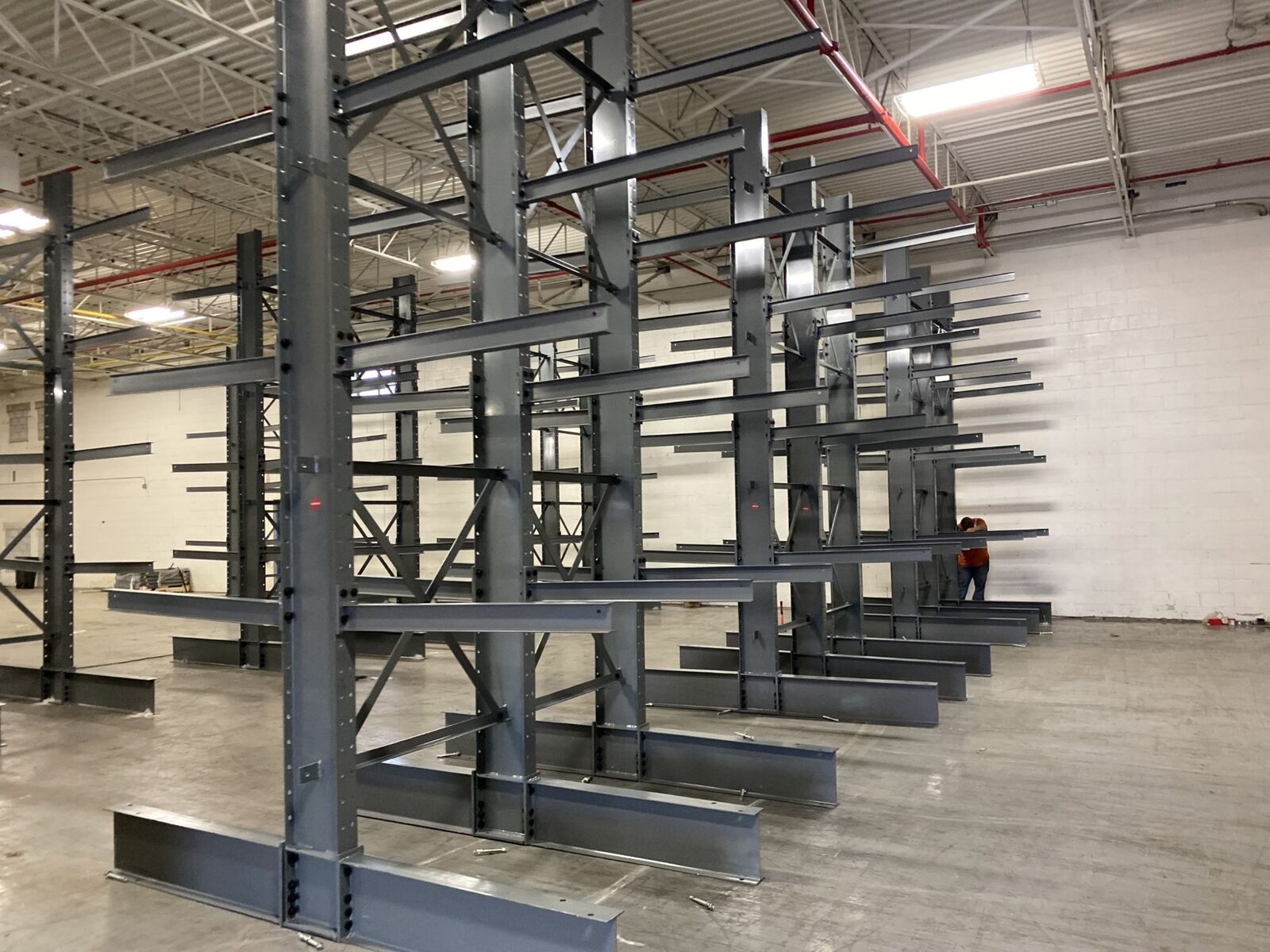
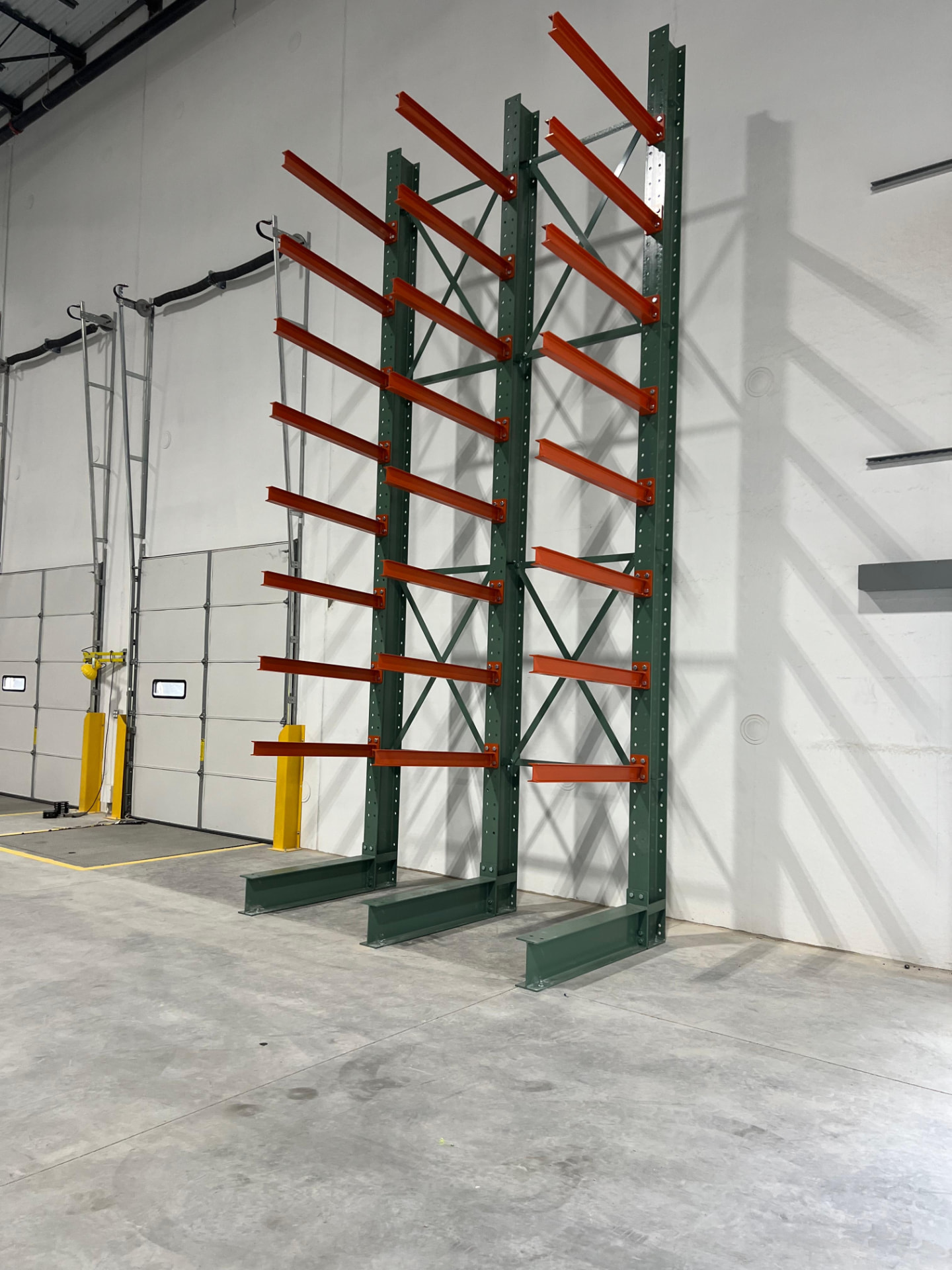
Arms with nothing in front of them, built for lumber, pipe, and anything a pallet can't hold.
View details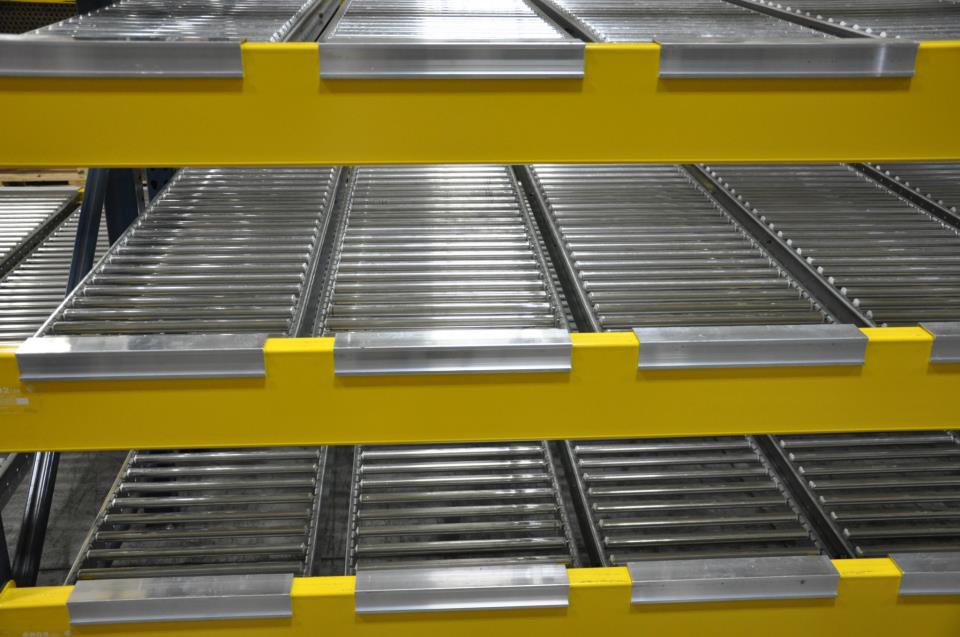
Cases advance to the picker instead of the picker hunting for cases.
View details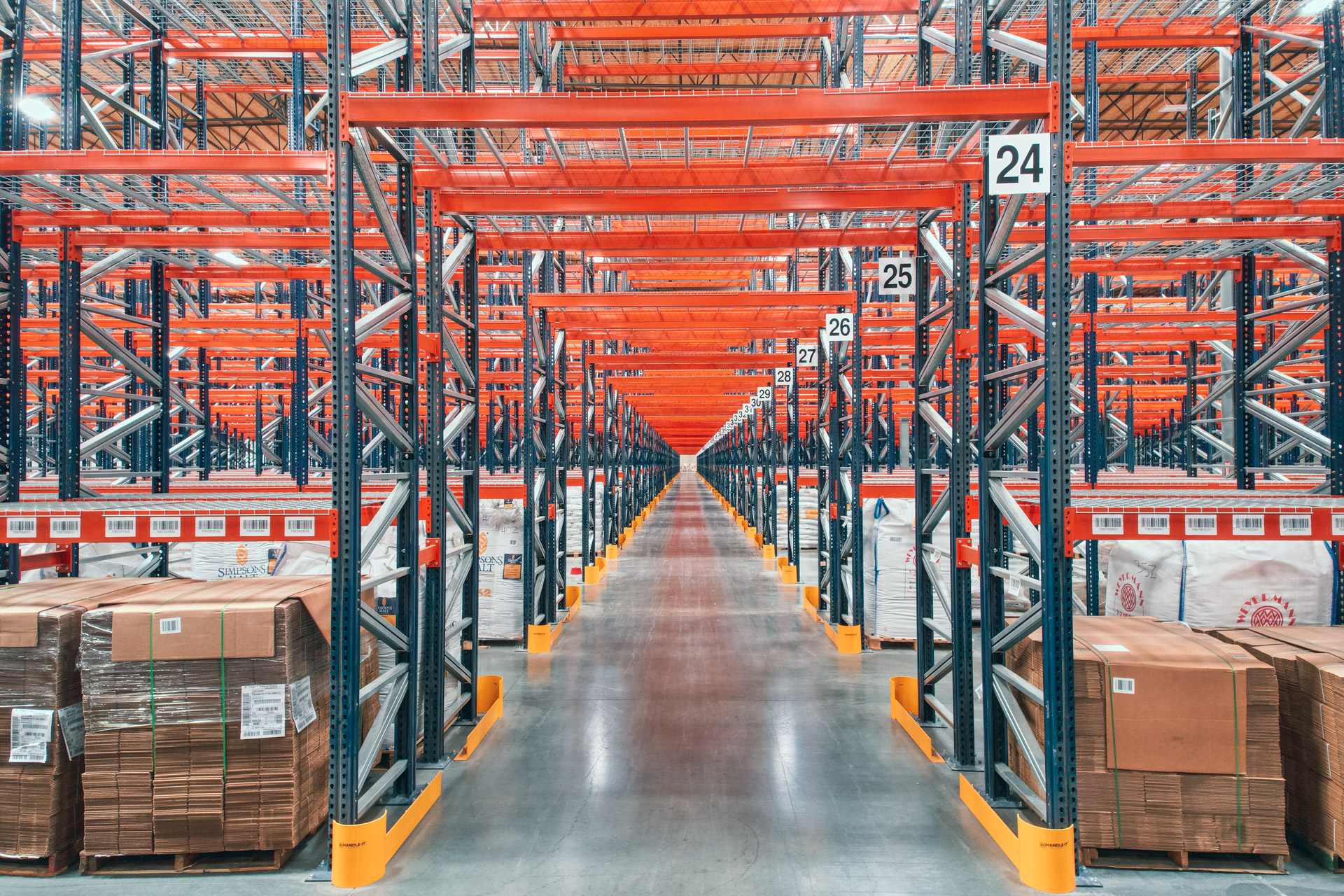
Rack teardown, labeling, transport coordination, and reinstallation planned around your move to a new building.
View detailsDelivery and installation planning covers Greater Newark and North Jersey, with a single contact for multi-building projects.
Located in Newark, we serve the entire Greater Newark region with industrial pallet racks and warehouse storage solutions.
146-B Ferry St.
Unit #1214
Newark, NJ 07105
Monday - Friday: 8:00 AM - 6:00 PM
Saturday: Closed
Sunday: Closed
Call (973) 318-1590 or request a quote and we will get a layout started.